The History of Speckle Park
Speckle Park are Canadian! Speckle Park had their beginning in the province of Saskatchewan, Canada
— a first for Saskatchewan.
Their development took place in Alberta and Saskatchewan along the Yellow Head Highway between North
Battleford, Saskatchewan and Spruce Grove, Alberta.
Speckle Park were only the second breed of beef cattle in Canada to be granted distinct breed
status.
Speckle Park cattle are known for their high-quality carcass, efficient feed conversion and their meat quality. Loyal to their baseline heritage, Aberdeen Angus, Teeswater Shorthorn and White Park, Speckle Park cattle offer a new and balanced approach to genetic improvement on behalf of the global purebred cattle sector, especially at the feedlot.
Speckle Park cattle are known for their high-quality carcass, efficient feed conversion and their meat quality. Loyal to their baseline heritage, Aberdeen Angus, Teeswater Shorthorn and White Park, Speckle Park cattle offer a new and balanced approach to genetic improvement on behalf of the global purebred cattle sector, especially at the feedlot.
What Are They Genetically?
Speckle Park are a combination of the genetics of three breeds from England and Scotland:
- Teeswater Shorthorn
- Aberdeen Angus
- English cattle with the white park pattern
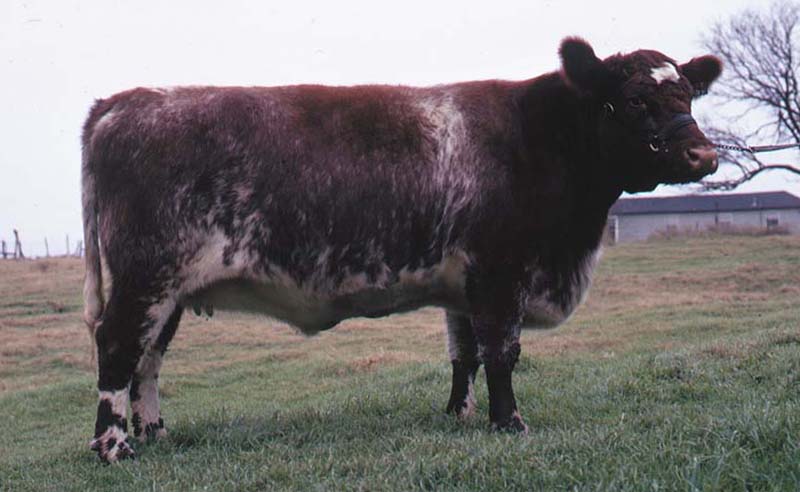
Shorthorn Cow
Henry Elder/Encyclopaedia Britannica,
Inc.
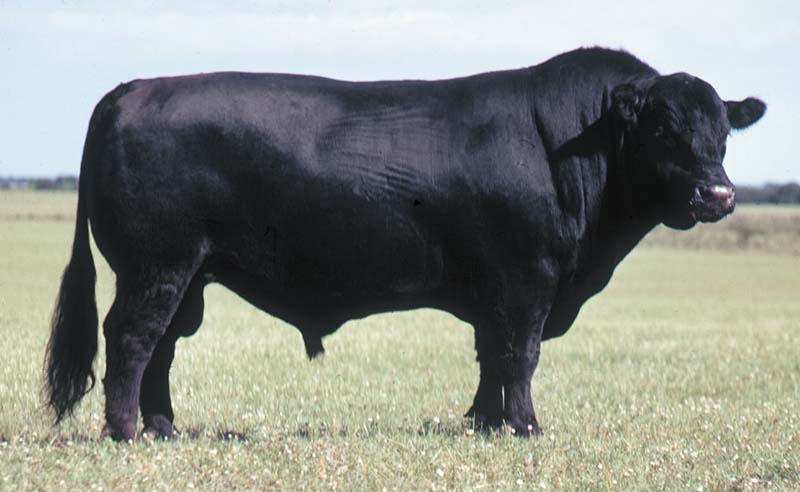
Angus Bull
Henry Elder/Encyclopaedia Britannica,
Inc.
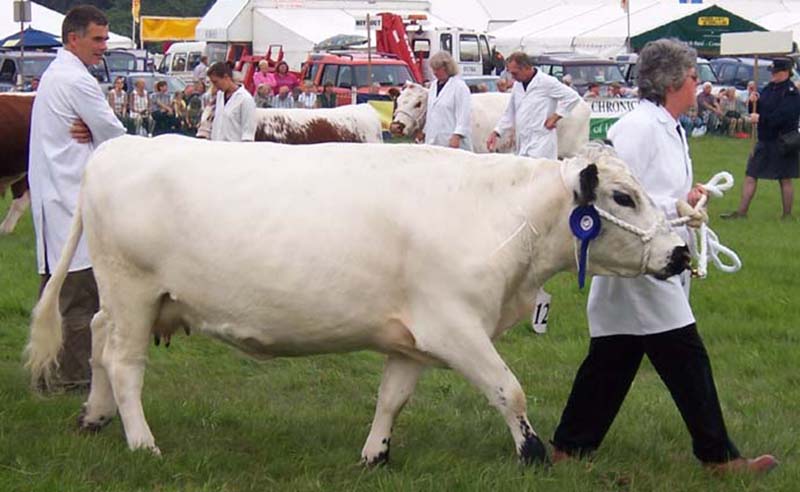
British White Cow
Wikipedia
What’s In A Name?
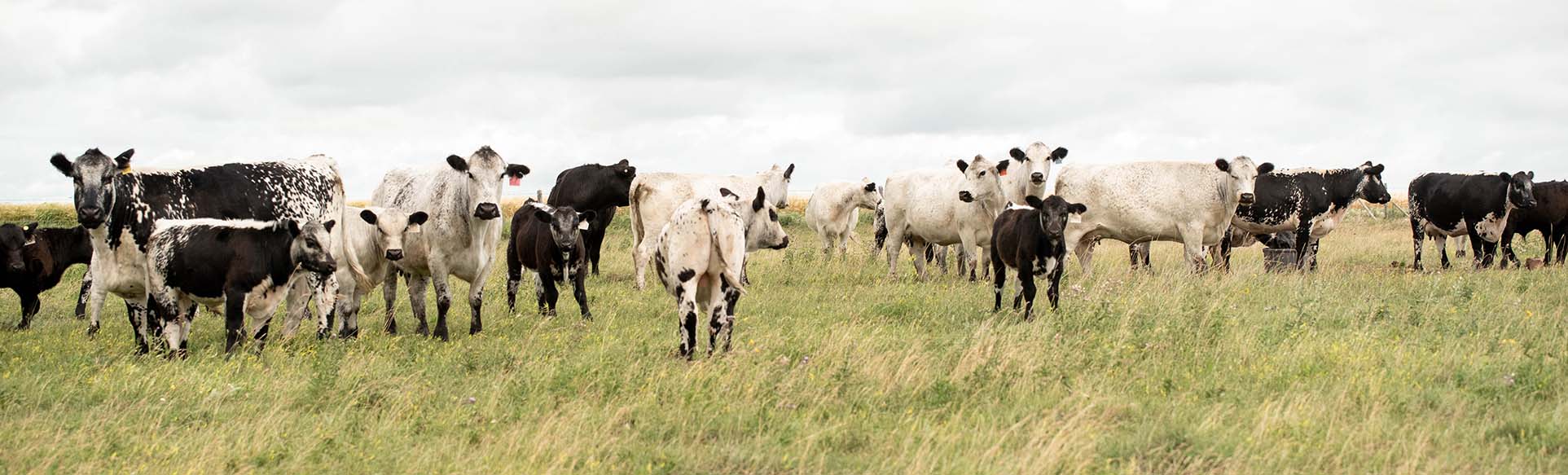
Speckle Park were named just that by Bill and Eileen Lamont. Both parts of the name refer to the
colour pattern.
“Speckle” was obvious because of the spots on the rear quarters and throughout; and
“Park” because some of the Speckle Park display the white park colour pattern of a white body
with coloured points about the ears, eyes, muzzle, lower legs and teats.
The singular Speckle Park is used as a collective noun for the plural, so that whether you have one or a hundred, you will have Speckle Park.
The singular Speckle Park is used as a collective noun for the plural, so that whether you have one or a hundred, you will have Speckle Park.
Who Started Them And Where?
In 2005, the agriculture reporter of Lloydminster Sask./Alberta television station was Tana Christie
from near Kitscoty. She wanted to record the truth about the origin of the Speckle Park breed of
cattle and went to the Lindsay family near Greenstreet, Saskatchewan, north of Lloydminster. On video
camera she interviewed Ian McKenzie and Rob Lindsay, nephews of the late Mary Lindsay who, in 1906
had come with her parents and siblings from Forfarshire, Scotland.
Standing near cattle descended from their Aunt Mary’s Lineback cattle the cousins spoke plainly and simply about the roan cow of unknown origin in the cattle bought by their grandfather James Lindsay in 1936 from the Formo family originally from Norway in the Tangleflags District (there were by then at least three Shorthorn herds in the area which might have accounted for the colour pattern of the cow.)
Mary liked the look of the unusually marked cow and bought it from her father. She already had her own cattle. Through the years she used Black Angus, Galloway, Highland and Shorthorn bulls. The roan cow produced a white heifer with black points, which was bred to a Highland bull. The resulting bull calf was used on Jersey cows owned by Mary’s sister Emma and then the heifer calves from that cross were bred to Angus and Galloway bulls.
In time this led to Mary Lindsay having her own unique cattle, red and white, or black and white which she called Linebacks because of the white line along their backs.
Bill and Eileen (Pike) Lamont, of Scottish and English descent respectively, lived north of Maidstone, Saskatchewan from 1946 to 1959, near Big Gully Creek. They were raising Black Angus cattle and after raising some different horse breeds had settled on raising Appaloosas.
Bill was a good stockman and noted horse trainer and the Lamonts knew the Lindsays through livestock. It was Eileen who bought the first Lineback heifer from Mary. After that they bought more—whenever Mary thought she could let some go. They crossed them with the best Black Angus bulls Bill could get at the time. After several years of breeding Linebacks to Angus bulls, they started to breed coloured cows to coloured bulls. Bill and Eileen wanted black and white animals with dark faces but they also wanted good udders and good feet; they wanted strong, straight backs, docile, easy keepers with depth. When they started to think of creating a new breed Mary was pleased but she warned Bill about the trouble he might get into, not with the cows but with the people. Mary had not kept precise records of her cattle but she did give them what she could, stating that this animal had Galloway blood and another went back to Angus and another went back to the Formo cow. This was in the 1970s when the Lamonts were living close to Maidstone by Highway 16.
Researched and written by Christine Pike with appreciation to Ian McKenzie, Rob Lindsay and Bill and Eileen Lamont.
Standing near cattle descended from their Aunt Mary’s Lineback cattle the cousins spoke plainly and simply about the roan cow of unknown origin in the cattle bought by their grandfather James Lindsay in 1936 from the Formo family originally from Norway in the Tangleflags District (there were by then at least three Shorthorn herds in the area which might have accounted for the colour pattern of the cow.)
Mary liked the look of the unusually marked cow and bought it from her father. She already had her own cattle. Through the years she used Black Angus, Galloway, Highland and Shorthorn bulls. The roan cow produced a white heifer with black points, which was bred to a Highland bull. The resulting bull calf was used on Jersey cows owned by Mary’s sister Emma and then the heifer calves from that cross were bred to Angus and Galloway bulls.
In time this led to Mary Lindsay having her own unique cattle, red and white, or black and white which she called Linebacks because of the white line along their backs.
Bill and Eileen (Pike) Lamont, of Scottish and English descent respectively, lived north of Maidstone, Saskatchewan from 1946 to 1959, near Big Gully Creek. They were raising Black Angus cattle and after raising some different horse breeds had settled on raising Appaloosas.
Bill was a good stockman and noted horse trainer and the Lamonts knew the Lindsays through livestock. It was Eileen who bought the first Lineback heifer from Mary. After that they bought more—whenever Mary thought she could let some go. They crossed them with the best Black Angus bulls Bill could get at the time. After several years of breeding Linebacks to Angus bulls, they started to breed coloured cows to coloured bulls. Bill and Eileen wanted black and white animals with dark faces but they also wanted good udders and good feet; they wanted strong, straight backs, docile, easy keepers with depth. When they started to think of creating a new breed Mary was pleased but she warned Bill about the trouble he might get into, not with the cows but with the people. Mary had not kept precise records of her cattle but she did give them what she could, stating that this animal had Galloway blood and another went back to Angus and another went back to the Formo cow. This was in the 1970s when the Lamonts were living close to Maidstone by Highway 16.
Researched and written by Christine Pike with appreciation to Ian McKenzie, Rob Lindsay and Bill and Eileen Lamont.
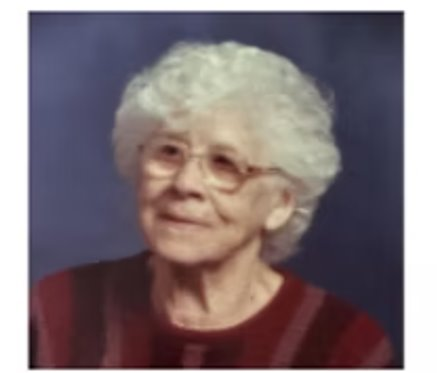
Mary Lindsay
2026 Saskatchewan Agriculture Hall of Fame Inductee
How Long Has This All Taken?
Interest in the cattle grew, not only with cattlemen but also the press. A trio of Speckle Park
steers made the trip to the Royal Winter Fair in Toronto in 1972.
They were featured in Case International Publications under a section on “Minority Breeds in
Canada.” Around 1983 Lloyd Pickard, a cattle promoter and Angus breeder from Alberta, included a few
pages about the Speckle Park in his book “100 Years of Angus in Canada.”
In 1985 Speckle Park breeders representing nine different herds met to form The Speckle Park Breeders Association. The Association was subsequently renamed The Canadian Speckle Park Association.
In 1993 Agriculture Canada granted approval for the Canadian Speckle Park Association to become incorporated under the terms of the Canadian Animal Pedigree Act for the purpose developing Speckle Park cattle as an evolving breed. On Feb. 14, 1995, ministerial approval was granted for the Canadian Speckle Park Association’s first set of by-laws.
On July 6, 2006, the Canadian Speckle Park Association’s Articles of Incorporation were amended to the effect that Speckle Park became a distinct breed of purebred cattle according to the terms of the Canadian Animal Pedigree Act. A few days later the carcass of another Speckle Park steer was awarded the championship at a major all-breed carcass competition in Calgary, Alberta. [Read more]
In 1985 Speckle Park breeders representing nine different herds met to form The Speckle Park Breeders Association. The Association was subsequently renamed The Canadian Speckle Park Association.
In 1993 Agriculture Canada granted approval for the Canadian Speckle Park Association to become incorporated under the terms of the Canadian Animal Pedigree Act for the purpose developing Speckle Park cattle as an evolving breed. On Feb. 14, 1995, ministerial approval was granted for the Canadian Speckle Park Association’s first set of by-laws.
On July 6, 2006, the Canadian Speckle Park Association’s Articles of Incorporation were amended to the effect that Speckle Park became a distinct breed of purebred cattle according to the terms of the Canadian Animal Pedigree Act. A few days later the carcass of another Speckle Park steer was awarded the championship at a major all-breed carcass competition in Calgary, Alberta. [Read more]
“A Balanced Breed with A Colour Bonus”
The aim was to breed and develop a middle of the road, medium sized, polled, good beef animal.
Thus was born a phrase often attached to the breed “A Balanced Breed with A Colour Bonus.” The colour patterns of Speckle Park are distinctive and certainly catch one’s eye. Their merits as beef cattle will ensure their sustainability as a distinct breed.
Thus was born a phrase often attached to the breed “A Balanced Breed with A Colour Bonus.” The colour patterns of Speckle Park are distinctive and certainly catch one’s eye. Their merits as beef cattle will ensure their sustainability as a distinct breed.